Your website is often the first impression potential customers have of your business. It works around the clock, representing your brand, showcasing your services, and helping visitors decide whether they should contact you or move on to a competitor.
But what if your website is doing the opposite?
An outdated or poorly performing website can quietly drive away potential customers without you even realizing it. Visitors won’t usually tell you why they left—they’ll simply click away and choose another business.
If you’re not getting as many inquiries or sales as expected, your website could be the reason.
Here are ten signs your website may be costing you customers and what you can do about it.
1. Your Website Takes Too Long to Load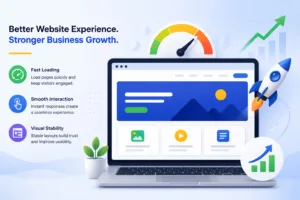
Speed plays a major role in the user experience.
When a visitor lands on your website, they expect pages to load quickly. If your site feels slow, many users won’t wait—they’ll leave before seeing what you have to offer.
Slow websites often result from:
- Large image files
- Poor hosting
- Unnecessary plugins
- Unoptimized code
- Too many third-party scripts
A faster website creates a better first impression and encourages visitors to stay longer.
2. Your Website Doesn’t Work Well on Mobile Devices
Today, a large percentage of website traffic comes from smartphones and tablets.
If visitors need to zoom in, struggle to click buttons, or deal with broken layouts, they’re likely to leave.
A mobile-friendly website should provide:
- Easy navigation
- Readable text
- Fast loading
- Responsive layouts
- Touch-friendly buttons
A seamless mobile experience helps turn visitors into customers.
3. Your Design Looks Outdated
Website design trends evolve over time.
If your website still looks like it was built years ago, visitors may assume your business is outdated as well.
Signs of an outdated website include:
- Small fonts
- Cluttered layouts
- Low-quality images
- Inconsistent colors
- Old-fashioned navigation
A modern design communicates professionalism and builds confidence.
4. Visitors Can’t Find What They’re Looking For
A confusing website frustrates users.
If important information is difficult to locate, visitors may leave before contacting you.
Ask yourself:
- Can people easily find your services?
- Is your pricing clear?
- Is your contact information visible?
- Are important pages only a few clicks away?
Simple navigation helps visitors reach their goals quickly.
5. Your Website Doesn’t Clearly Explain What You Do
Within the first few seconds of visiting your website, users should understand:
- Who you are
- What you offer
- Who you help
- Why they should choose you
If your homepage is vague or filled with technical jargon, potential customers may lose interest.
Clear messaging builds trust and encourages visitors to continue exploring.
6. Your Contact Process Is Complicated
Even interested customers may leave if contacting your business feels difficult.
Common problems include:
- Long contact forms
- Broken forms
- Hidden phone numbers
- Missing email addresses
- No clear call-to-action
Make it as easy as possible for visitors to get in touch.
Sometimes reducing a form from ten fields to five can significantly improve inquiries.
7. Your Website Has Broken Links or Errors
Nothing damages credibility faster than a website filled with errors.
Examples include:
- Missing images
- “Page Not Found” errors
- Broken buttons
- Links that go nowhere
- Forms that don’t submit
Regular website maintenance helps identify and fix these problems before customers encounter them.
8. Your Website Doesn’t Build Trust
People buy from businesses they trust.
Your website should include elements that reassure visitors they’re making the right decision.
Examples include:
- Customer testimonials
- Portfolio or case studies
- Business certifications
- Secure browsing (HTTPS)
- Professional branding
- Clear contact information
Trust signals reduce uncertainty and encourage potential customers to take the next step.
9. Your Website Is Rarely Updated
An inactive website can create the impression that your business is no longer operating.
Visitors may question whether your services, pricing, or contact details are still accurate.
Regular updates might include:
- New blog articles
- Recent projects
- Updated service pages
- Fresh testimonials
- Current company news
Keeping your website current demonstrates that your business is active and engaged.
10. You’re Not Measuring Website Performance
Many business owners only notice website problems after inquiries begin to decline.
Without analytics and performance tracking, it’s difficult to understand:
- Which pages attract visitors
- Where people leave your website
- Which forms generate leads
- How users navigate your site
- Which marketing efforts produce results
Monitoring your website helps you identify opportunities for improvement before small issues become costly problems.
Why These Issues Matter
Every visitor who leaves your website without contacting you represents a missed opportunity.
Whether you’re a local business, consultant, retailer, or service provider, your website should support your business goals—not create obstacles for potential customers.
Small improvements in speed, usability, content, and design can lead to meaningful increases in engagement and conversions.
How a Professional Website Can Help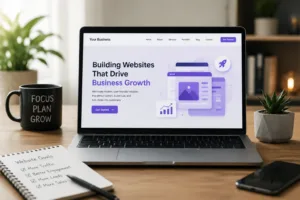
A well-designed website does more than look attractive. It works as a valuable business tool by:
- Creating a strong first impression
- Building customer confidence
- Making information easy to find
- Encouraging inquiries
- Supporting search visibility
- Delivering a better user experience
- Helping convert visitors into paying customers
When your website is built with both users and business objectives in mind, it becomes an asset that supports long-term growth.
Final Thoughts
Your website should be one of your strongest marketing tools, working around the clock to attract visitors, answer questions, and generate leads.
If you’ve noticed fewer inquiries, declining engagement, or visitors leaving without taking action, it’s worth taking a closer look at your website.
Addressing issues like slow performance, outdated design, poor navigation, and confusing messaging can significantly improve the experience for your visitors and increase your chances of turning them into loyal customers.
A successful website isn’t just about looking good—it’s about helping your business grow by making it easy for customers to choose you.